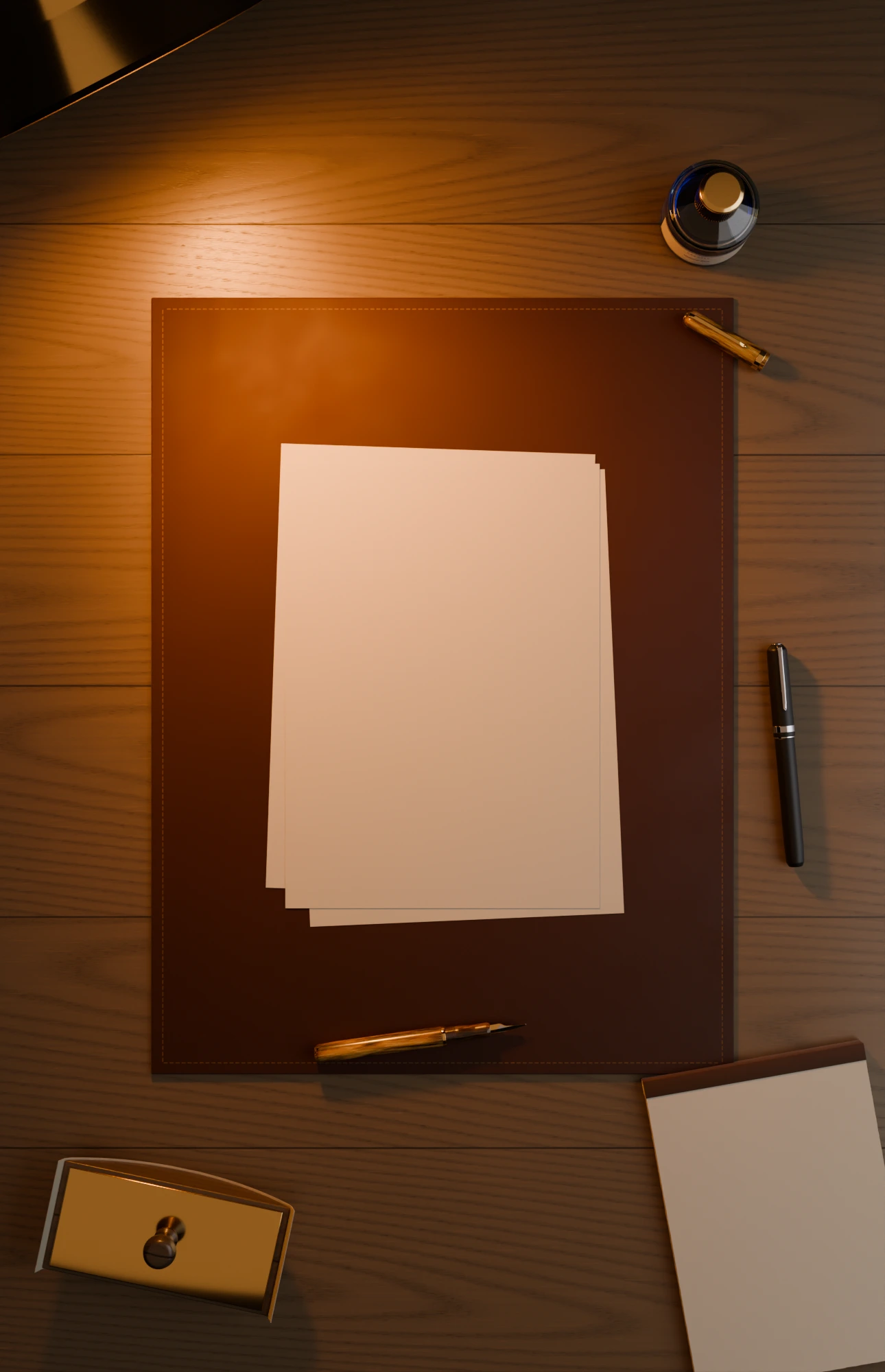
Your browser has 3D turned off (for example Lockdown Mode). This is what the desk looks like.
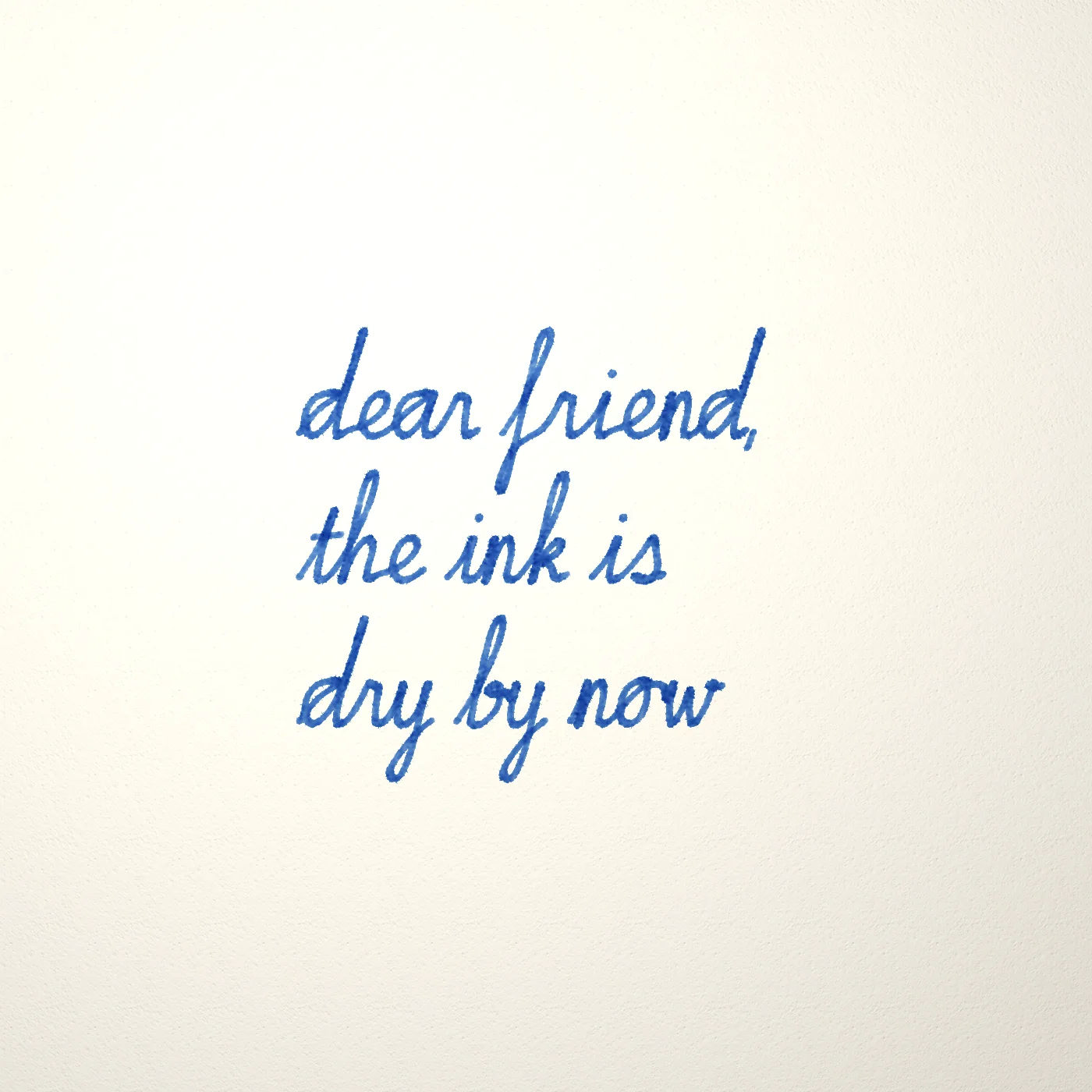
Write something.
Fountain pens · ink · paper
The sheet in front of you is real paper on our desk. Write with your finger or the mouse and watch the ink go in.
Open the full deskThe workshop
Three pens. Five inks. Three papers.
Everything we make fits on one desk. Each of them changes how the others behave, so we sell them side by side and let you try every combination first.
The pens
-
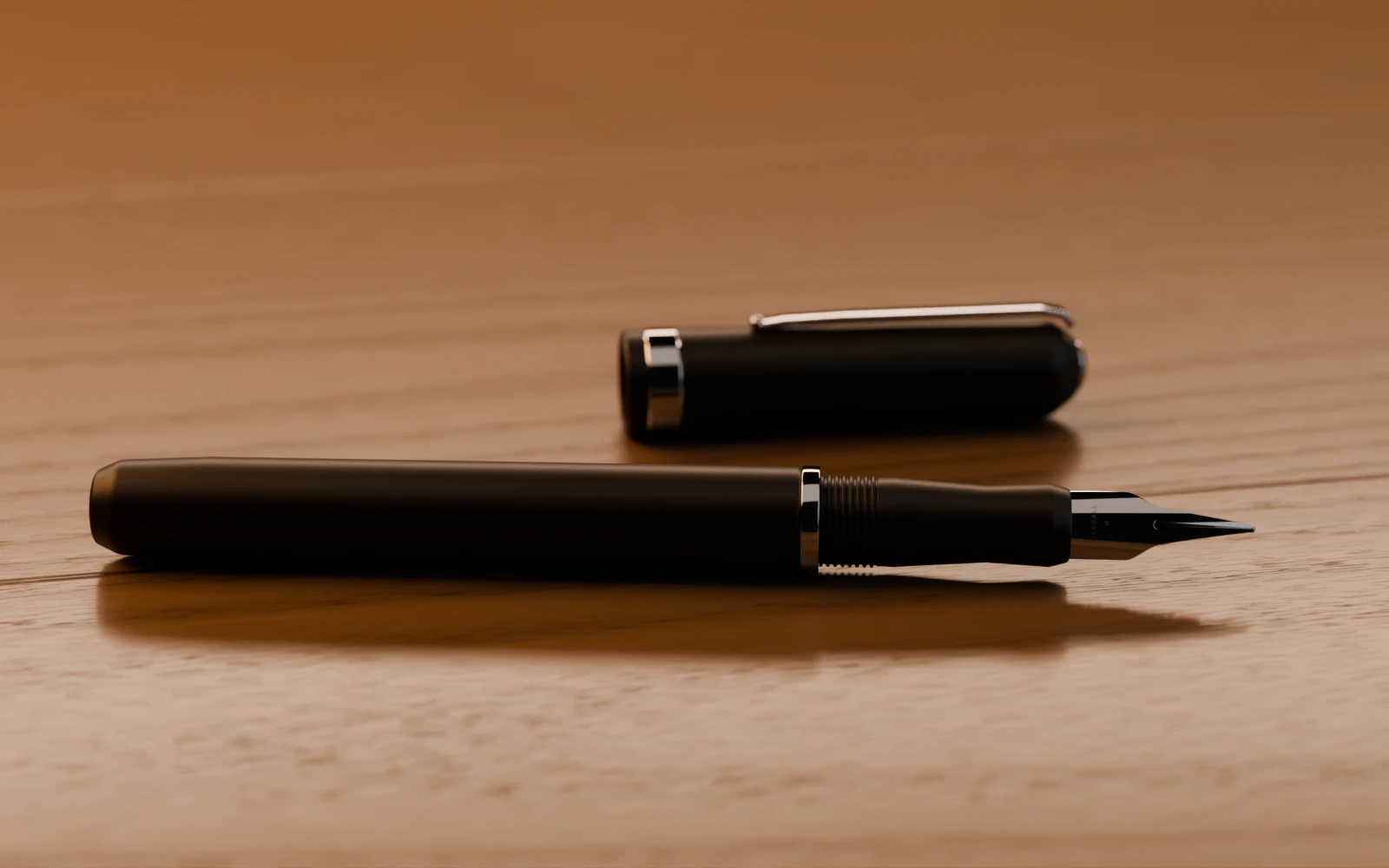
Ferrule
Steel nib · EF, F or M
Firm steel nib. The pen you reach for every day.
€68
-
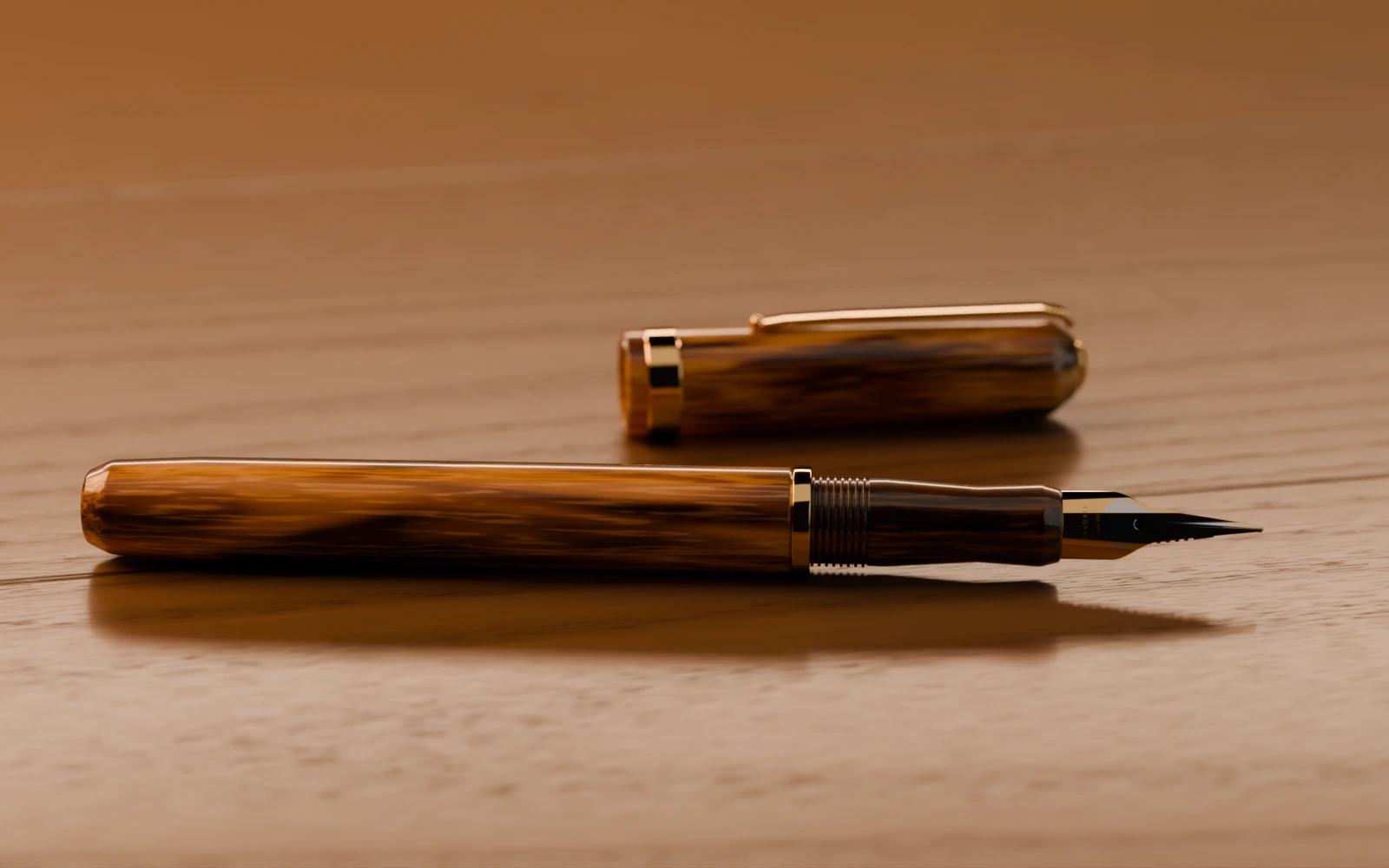
Burin
14k gold flex nib
Gold flex nib. Light hand, fine line. Press, and it opens.
€240
-
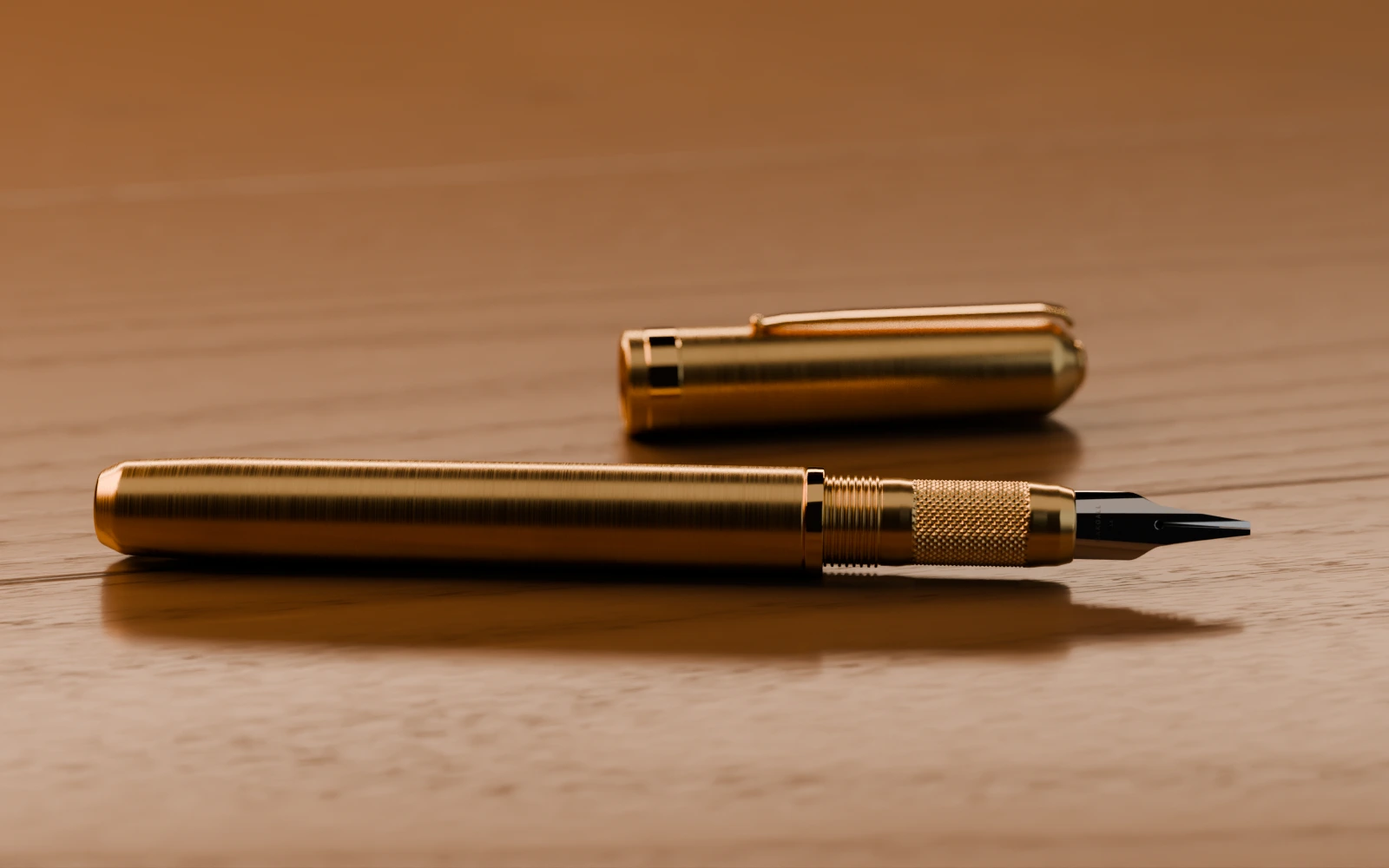
Reed
Cursive italic 1.5 mm
Italic nib. Crisp thick down-strokes, thin cross-strokes.
€95
The inks
-
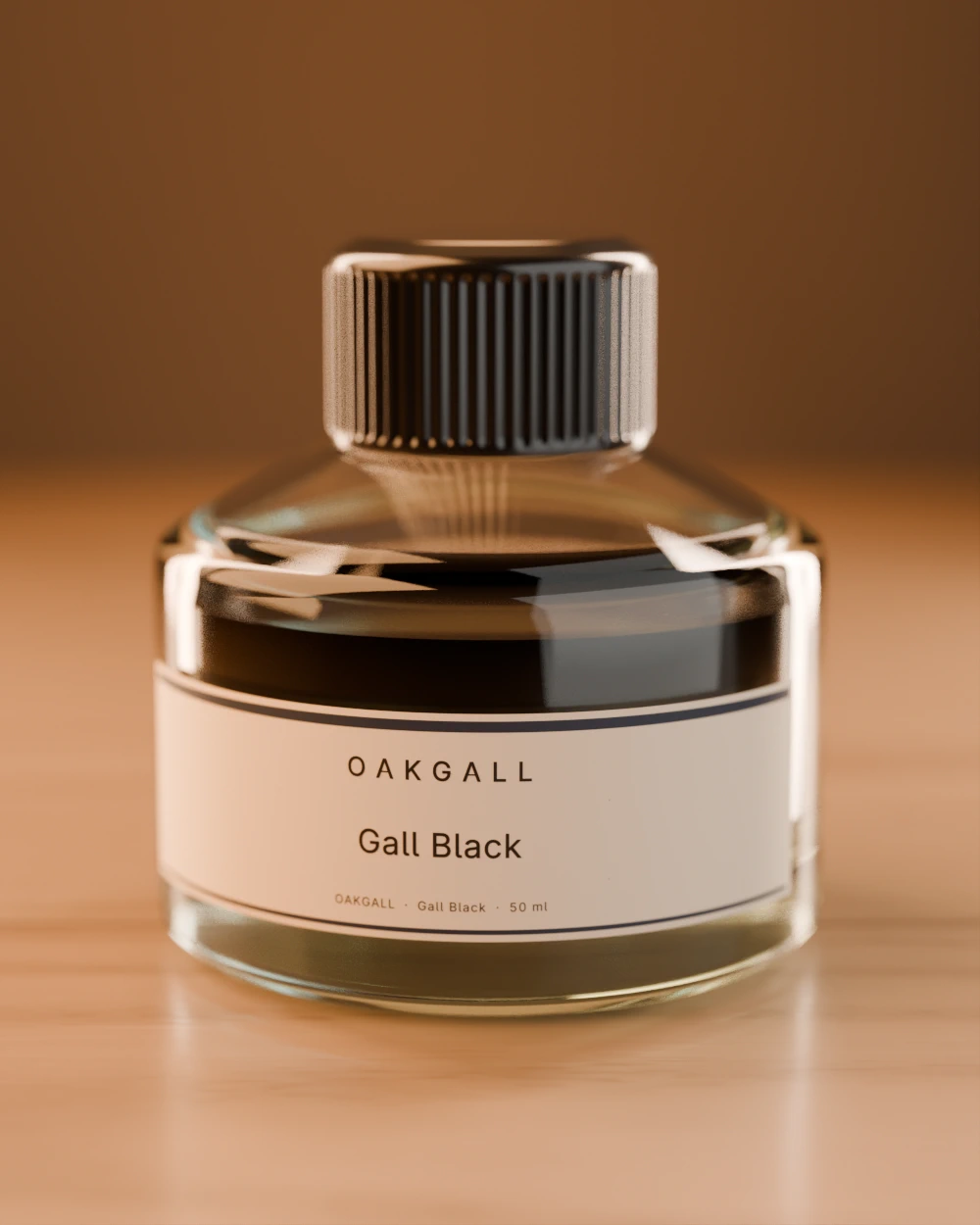
Gall Black
50 ml bottle
Iron-gall ink. Goes down blue-grey, darkens to black.
€26
-
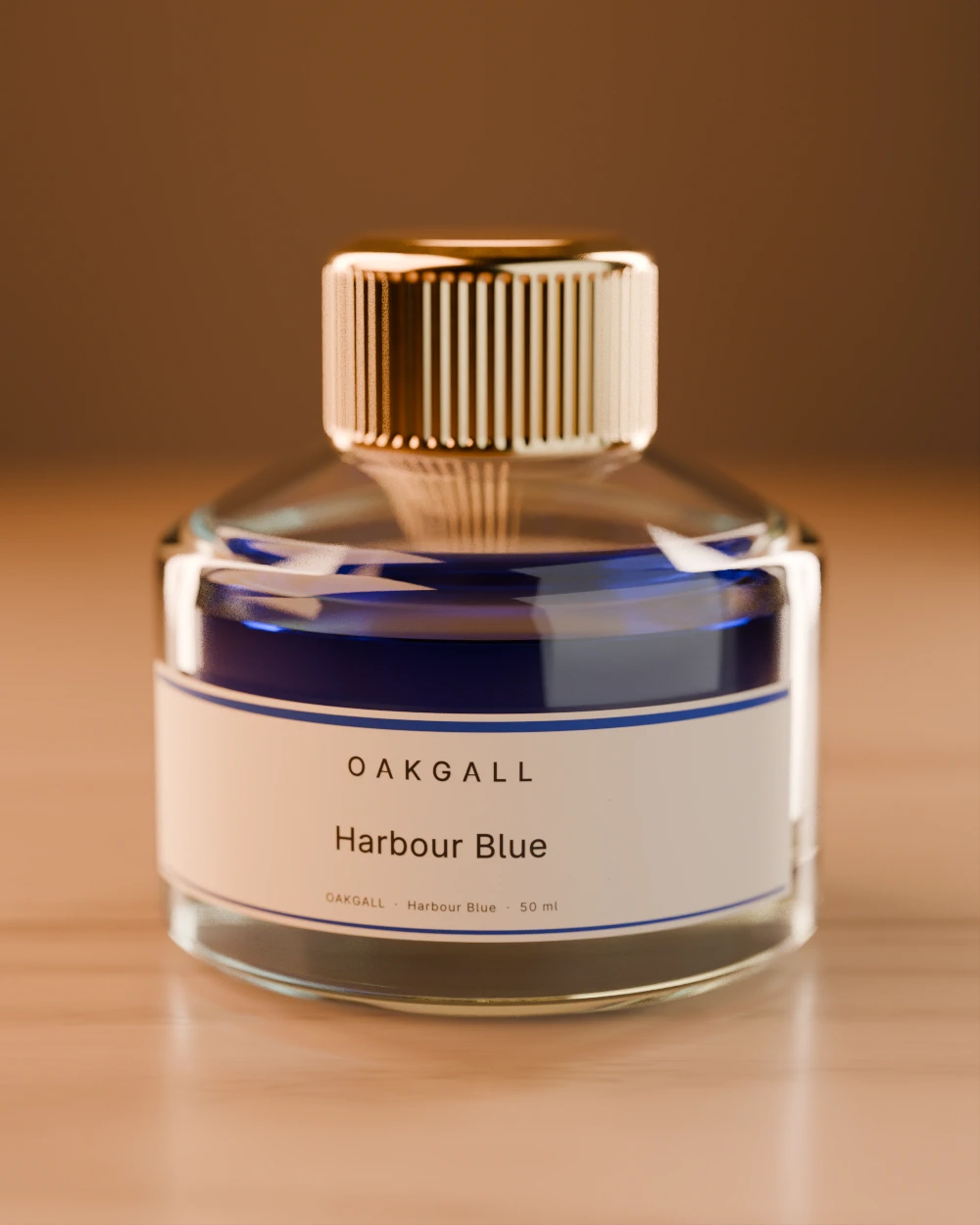
Harbour Blue
50 ml bottle
Deep blue with a red sheen where it pools.
€22
-
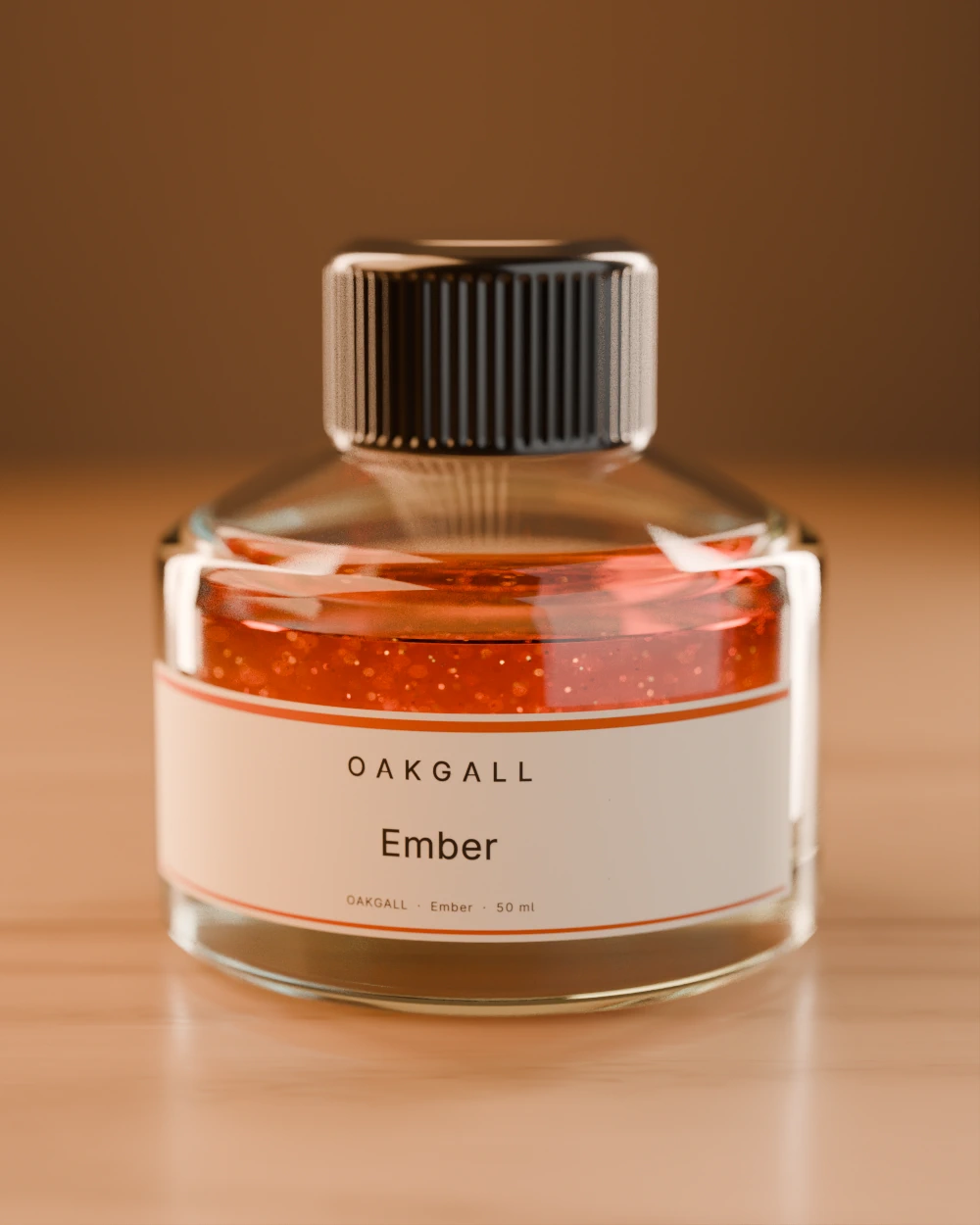
Ember
50 ml bottle
Burnt orange with gold shimmer.
€24
-
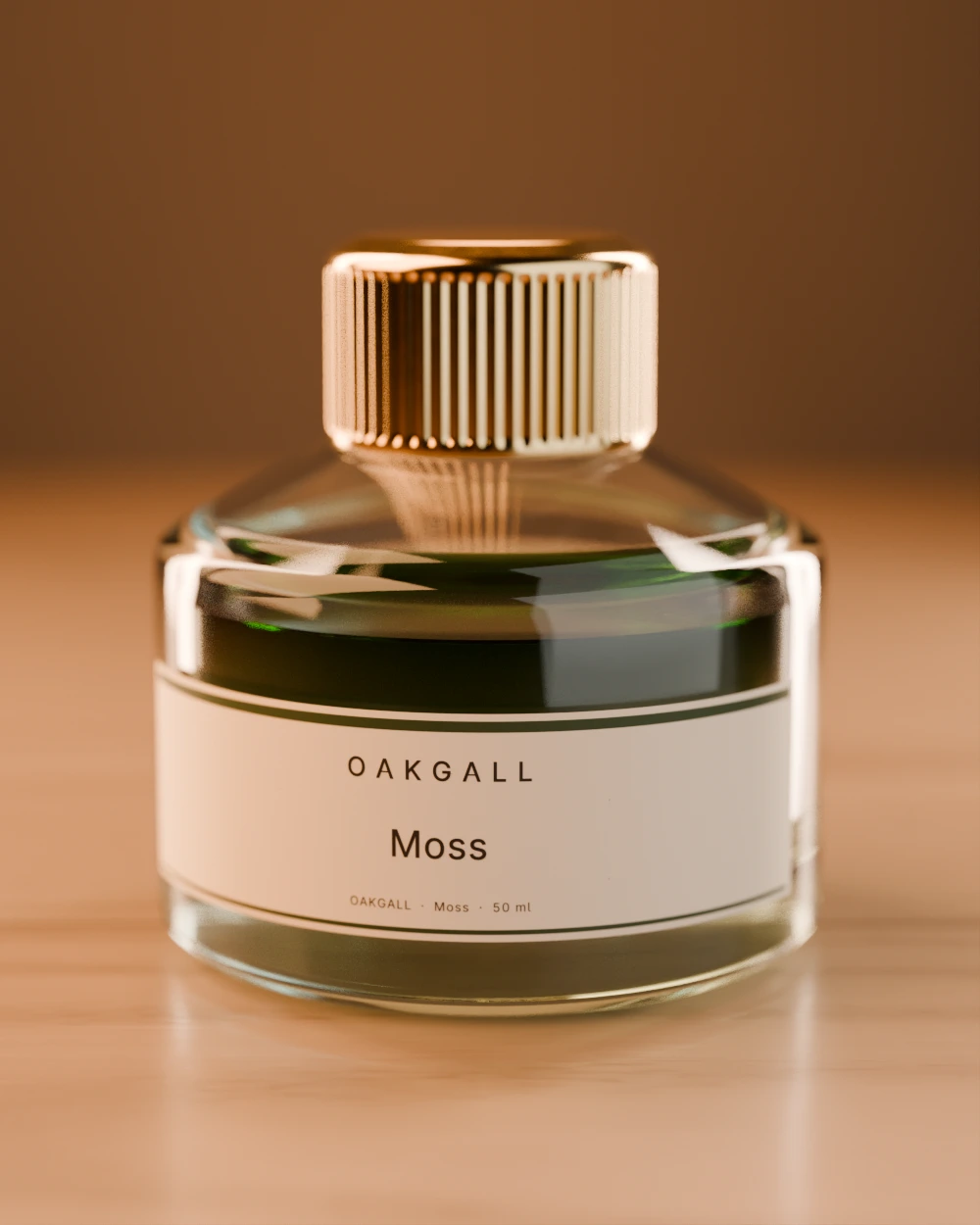
Moss
50 ml bottle
Green-black that shades strongly.
€18
-
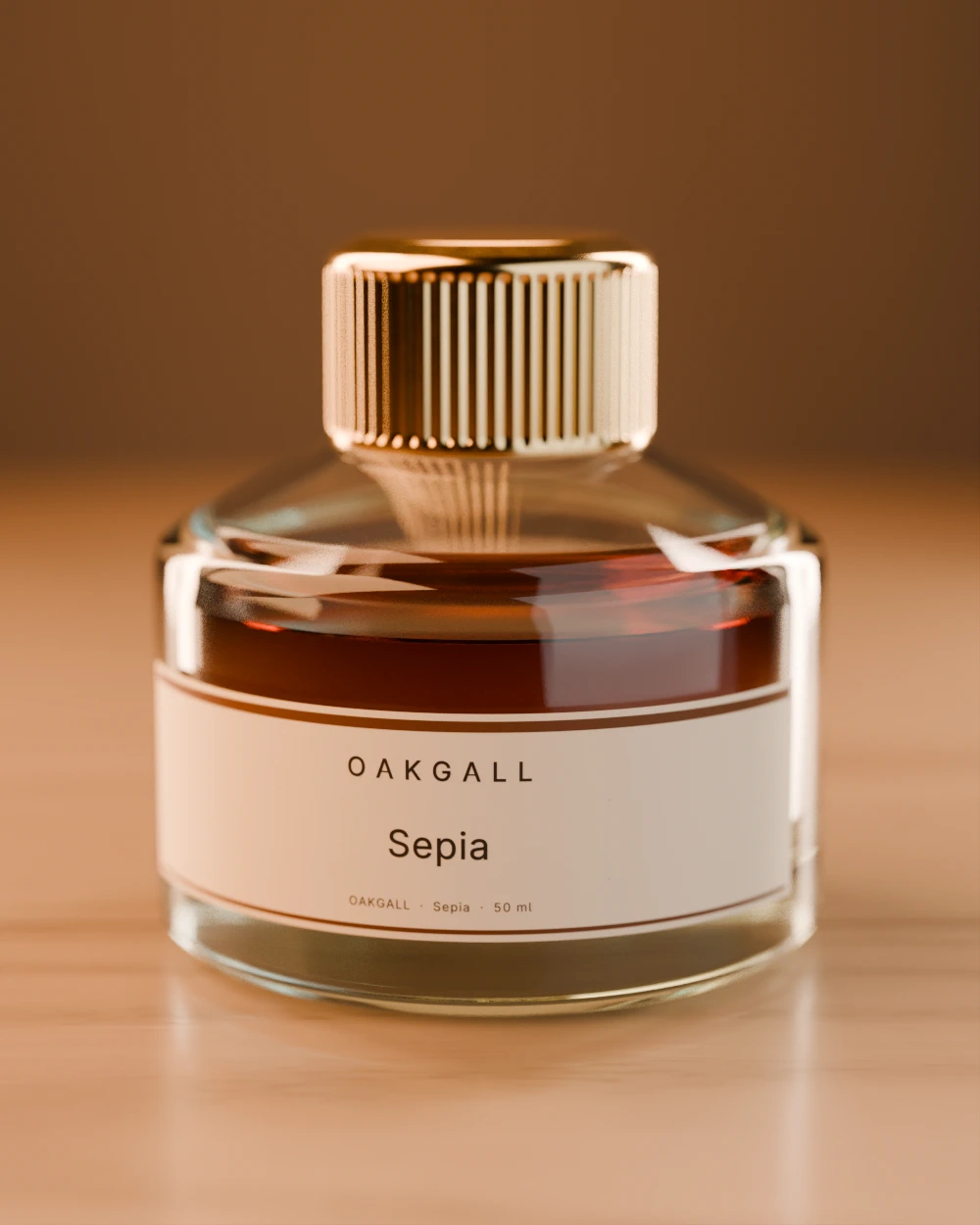
Sepia
50 ml bottle
Warm brown with an archival look.
€18
Ink Lab
Same stroke, three papers.
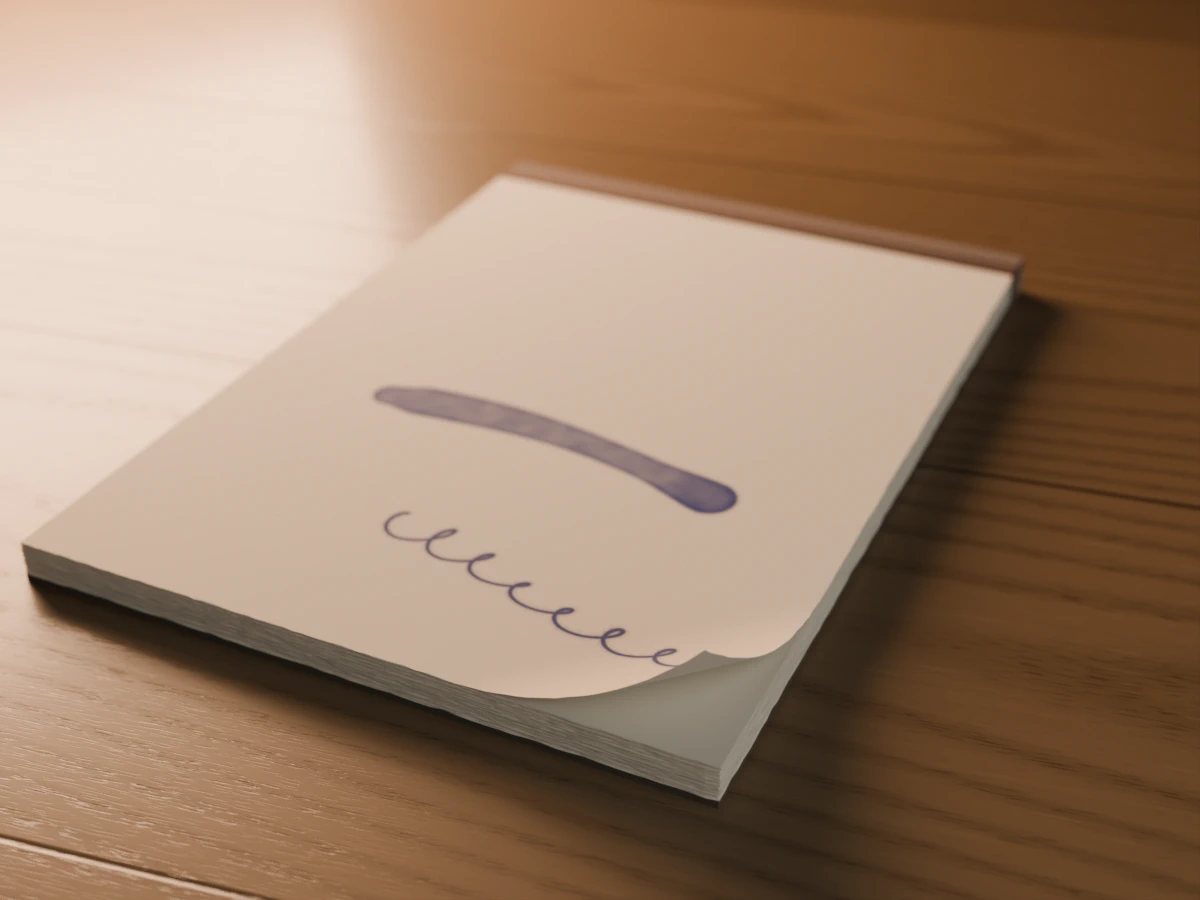
Rag
Spreads, dries fast
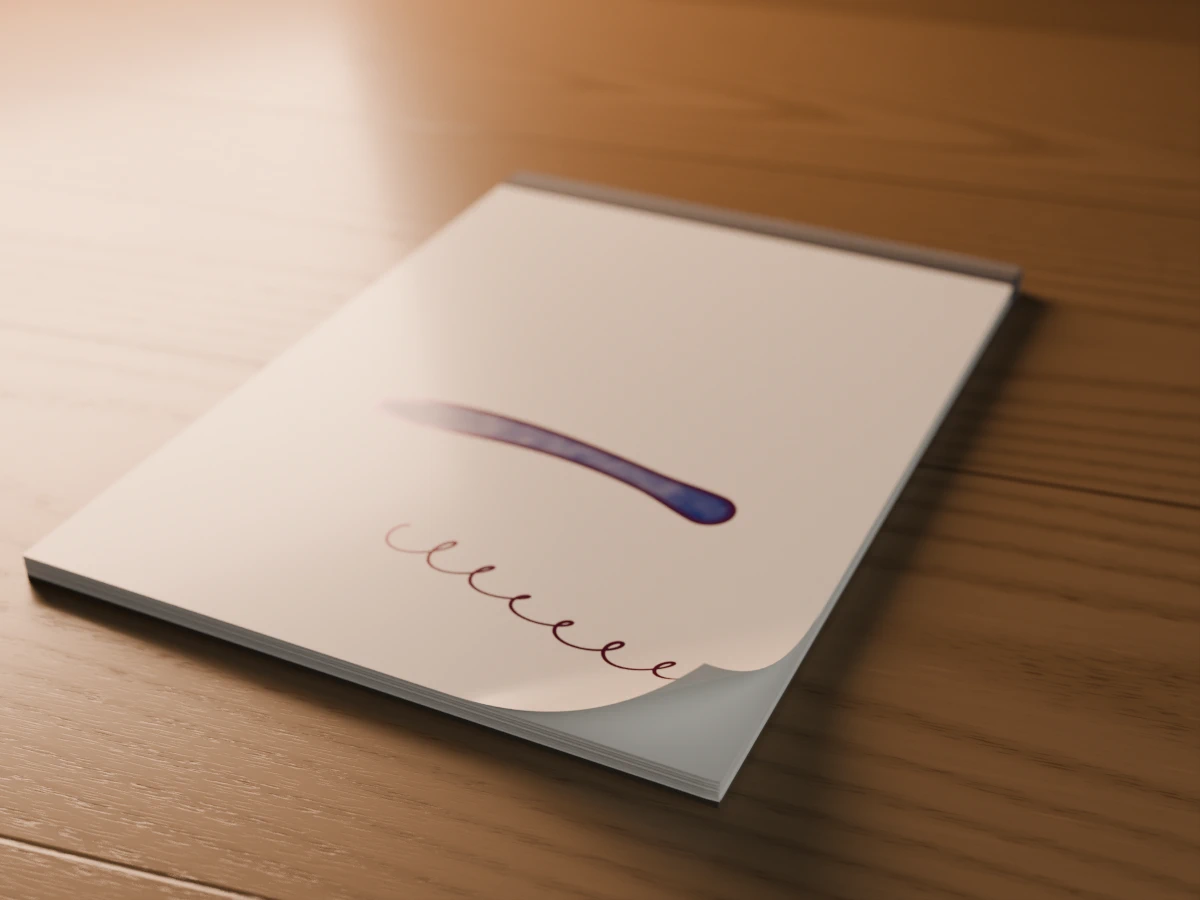
Glaze
Sharp, sheens, dries slow
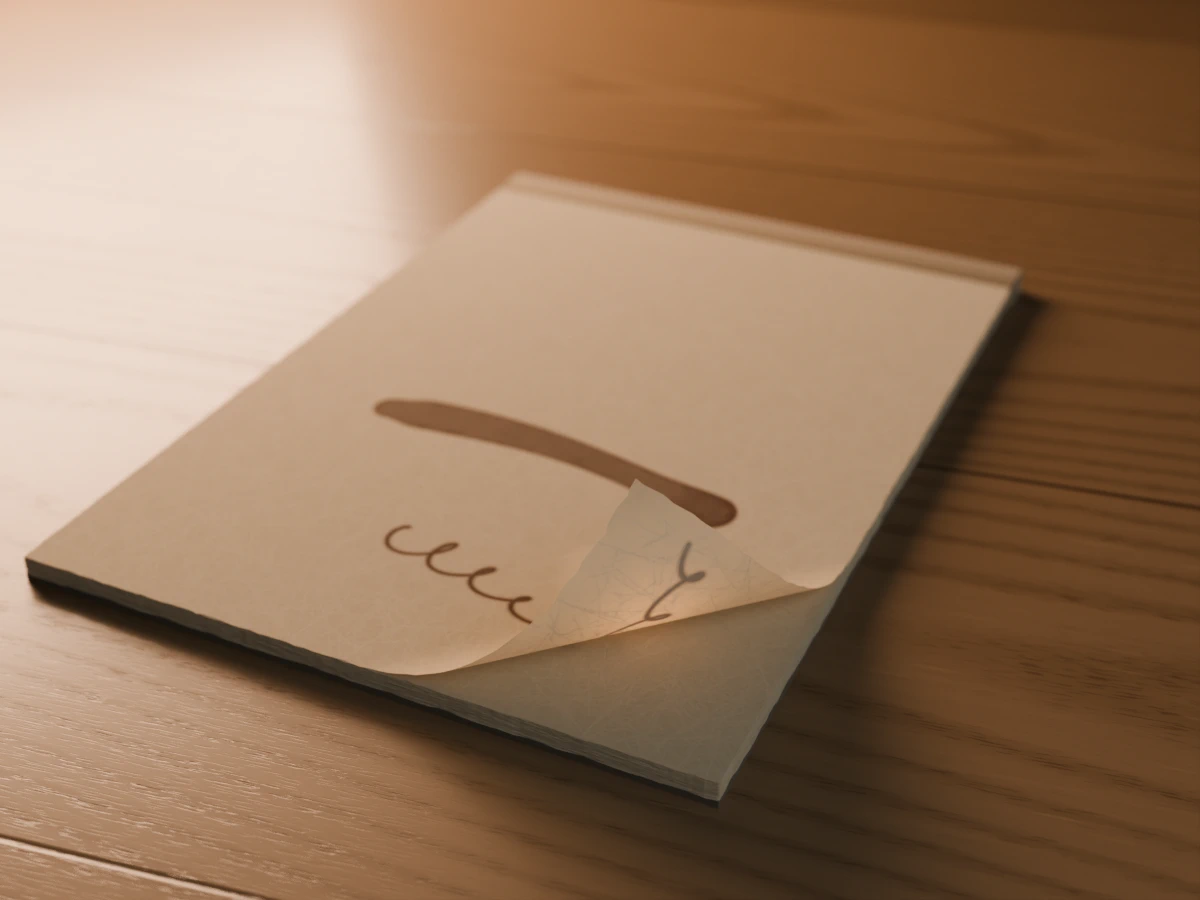
Washi
Soft, dries fastest, shows through
The name
Ink from oak galls.
An oak gall is a small, hard ball that grows on oak twigs where a wasp has laid its egg. It is full of tannin.
For more than a thousand years, scribes crushed galls, soaked them, and stirred in iron salts and a little gum. The result was iron-gall ink: pale when written, black a day later, and almost impossible to wash away.
Most of the old letters and manuscripts you have ever seen were written with it. We named the workshop after the gall, and we still make one ink the old way.
- 01GallTannin from the oak
- 02IronSalts that react with it
- 03GumTo carry it off the nib
- 04AirTurns blue-grey to black
Send a letter
Write a page. Send the page.
Write a short note on the desk and we turn it into a link. Whoever opens it watches your note being written stroke by stroke, then dry. The letter lives only in the link. Nothing is stored anywhere.
From the workshop bench
Flush, don’t scrub
Cool water through the nib every few weeks keeps any pen writing. Never hot water, never soap on a gold nib.
Ink takes time
Coated paper holds ink on its surface. Give a page of Glaze a moment before you close the pad.
Iron-gall darkens
Gall Black goes down grey-blue and turns black over a day. It is not fading; it is finishing.